The Atelier
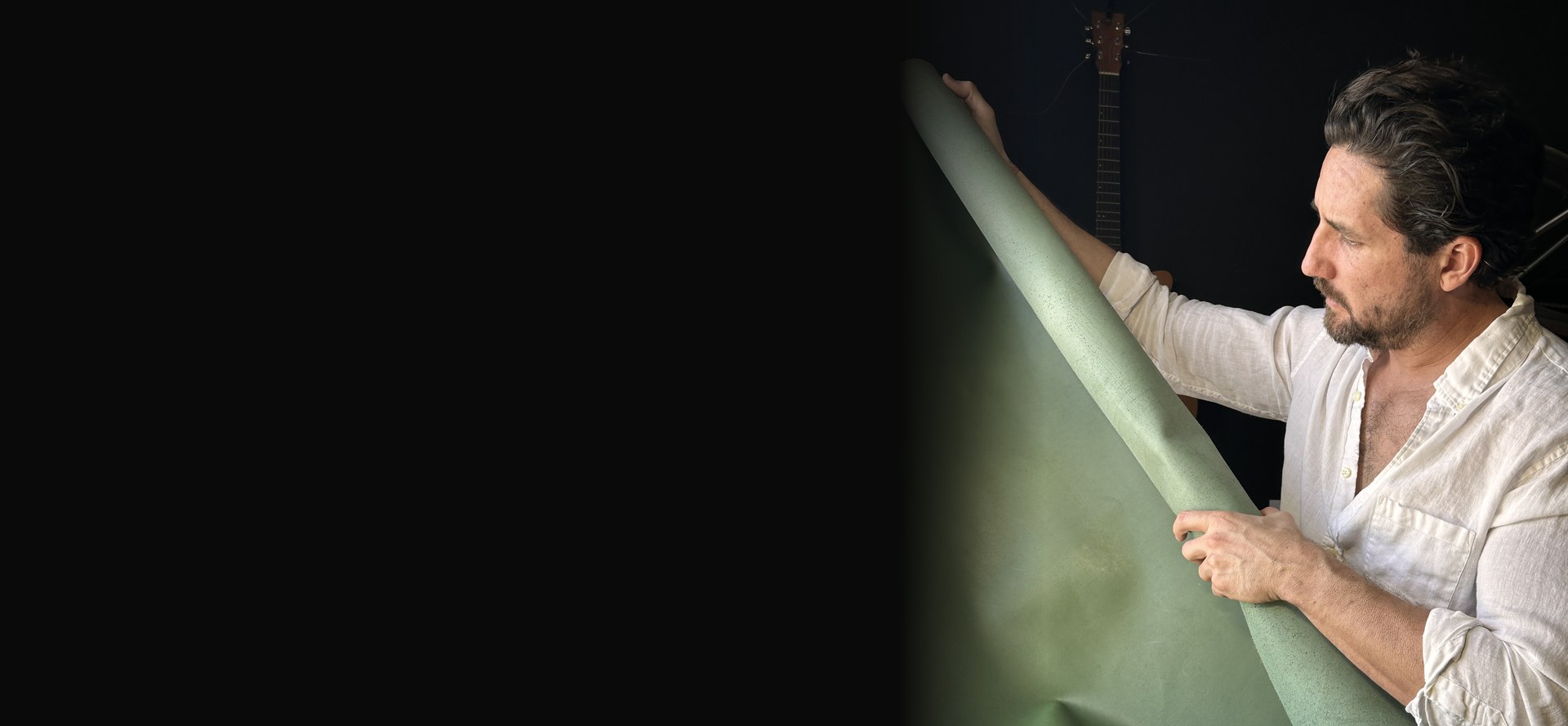
There is no floor of machines here, and no team of hands. Only a bench, a knife, a needle — and the days a piece takes.
Most of what carries a famous name was made by many hands, quickly, then finished to look as if it weren't. Mine is the opposite. What follows is how a single piece comes to be — told in the order it happens at the bench.
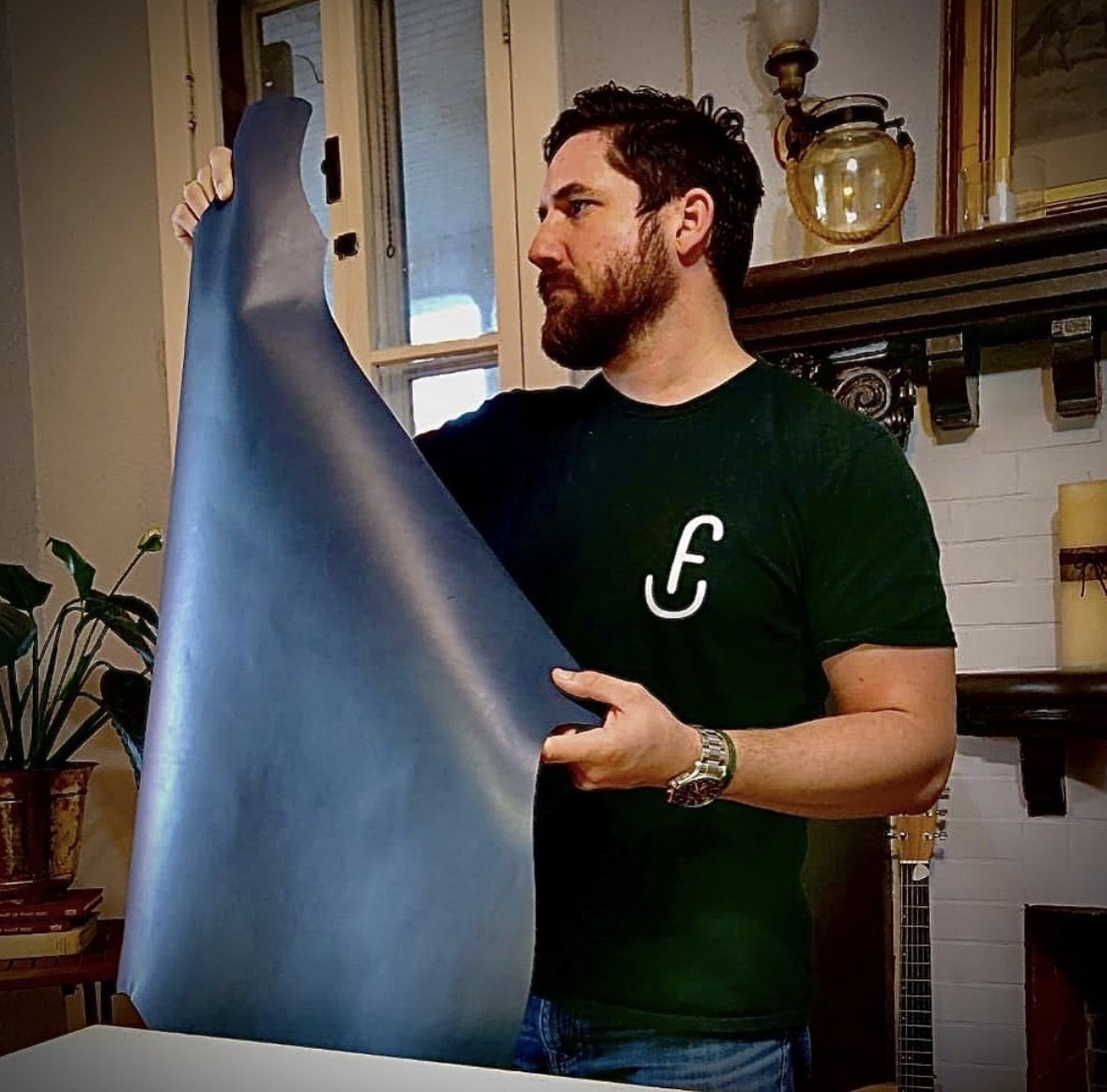
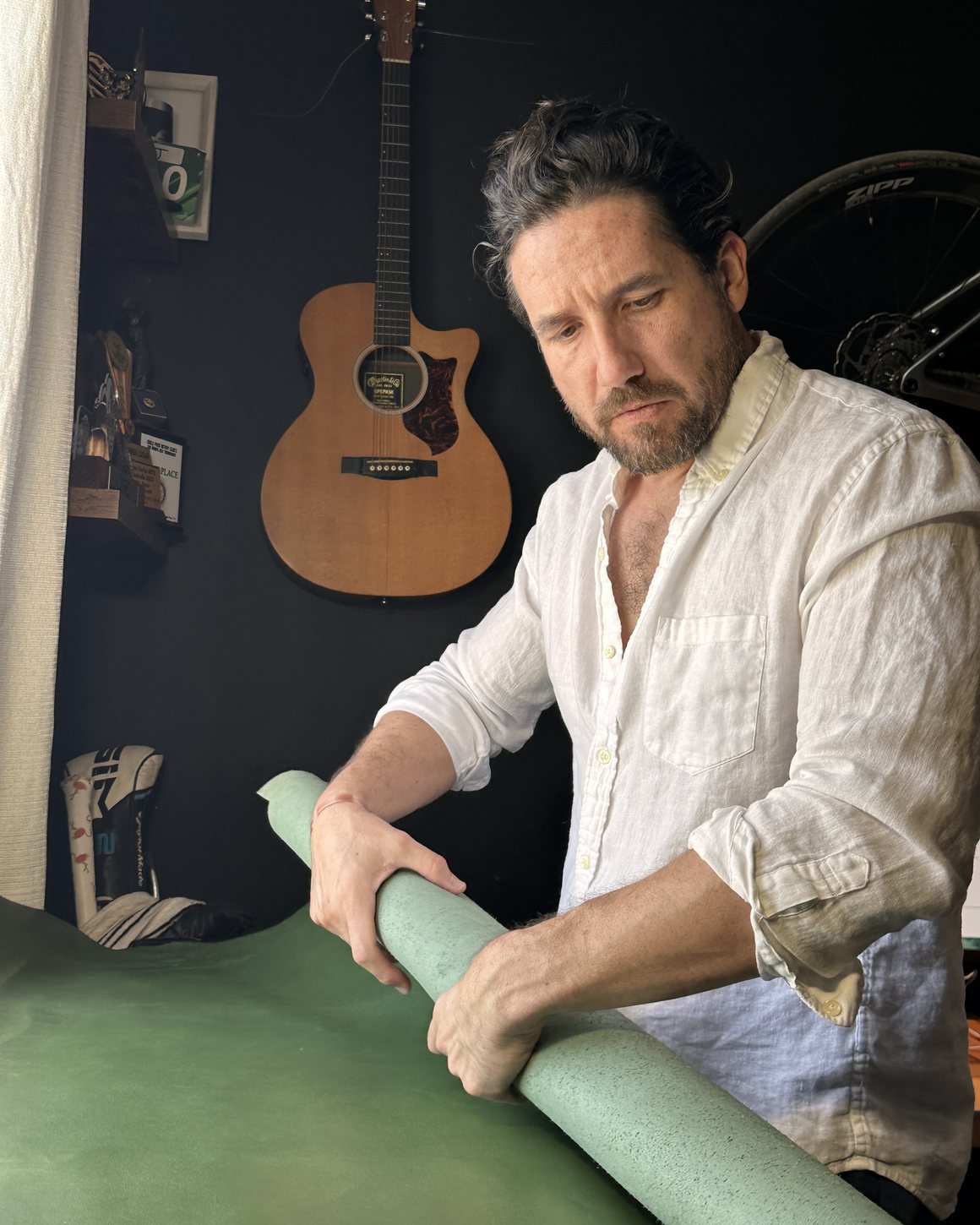
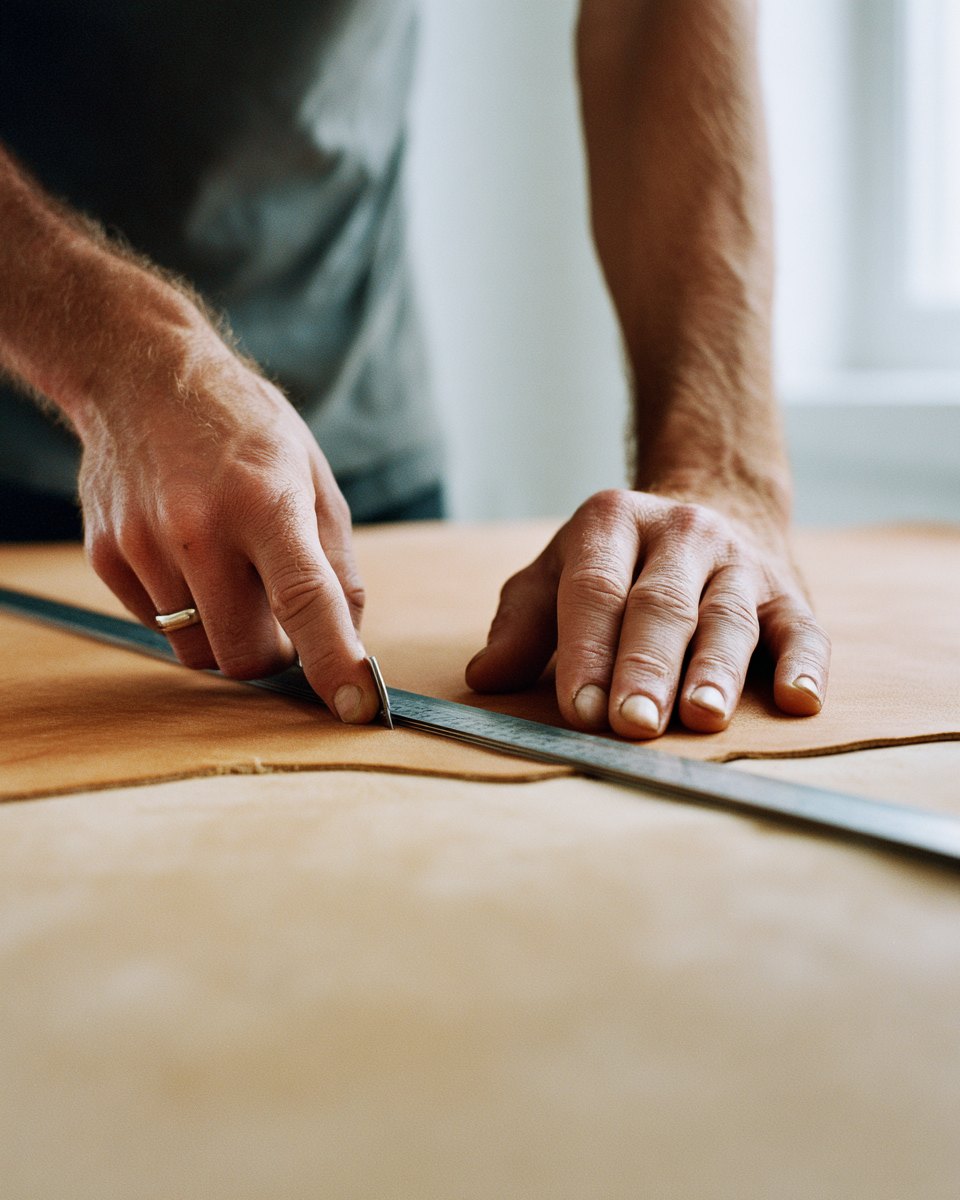
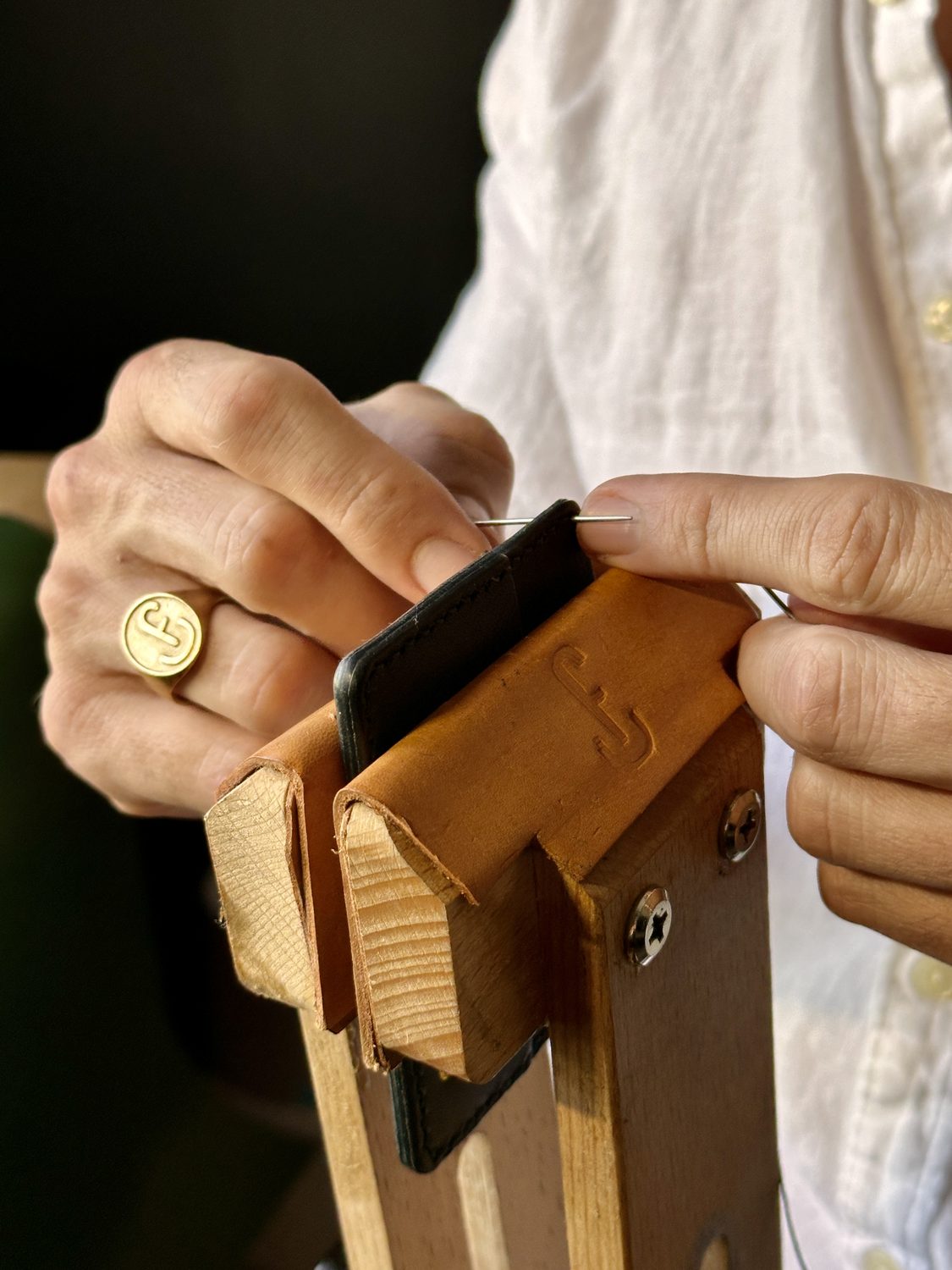
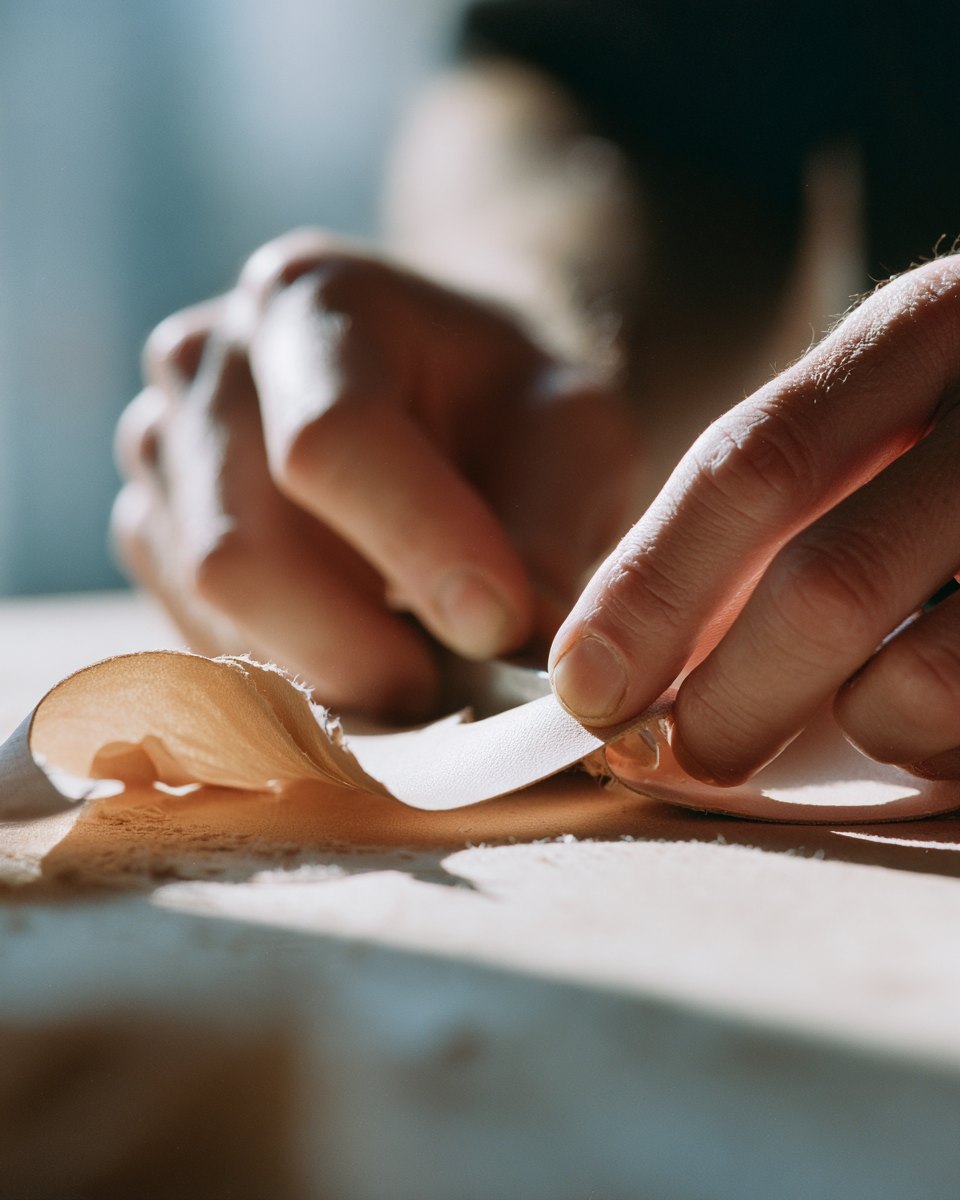
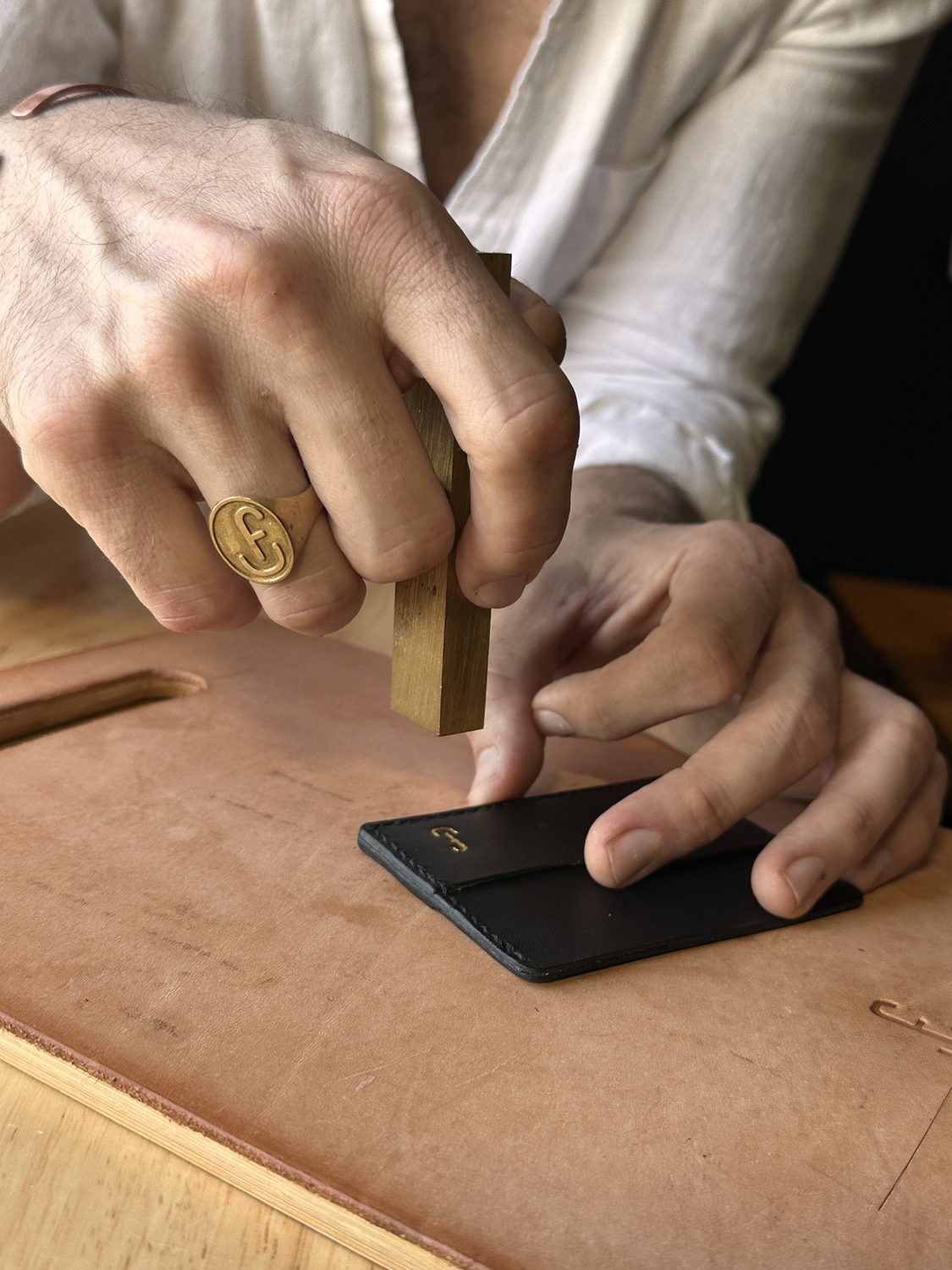
It's me at the bench — knife, needle, wax thread, and one solid piece of full-grain. No production line, no waiting room. Only what I make, and the time it takes to make it well.
Made once, by one pair of hands.
It begins with a single full-grain skin from the most closely held tanneries — chosen for grain, for pull-up, and for how it will age over a lifetime. One solid piece: never layered, never lined. I work the back smooth by hand, so the inside never needs covering.
Every panel is cut and skived by hand. No two hides behave the same way, so none is rushed and none is stamped from a die. The leather is read first, then cut to it — thick where it must protect, pared thin where it must fold.
Two needles, thread I wax myself, one pass at a time — each stitch locked by the next. Cut one thread and the rest hold: the one seam a machine can't fake, and can't unravel. It is also the slowest way there is. I have never found a way to hurry it that I'd be willing to sign.
The slowest seam there is — and the only one worth signing.
The edges are pared, sanded and burnished by hand over days, until they shine like glass and shed water rather than fray. A piece takes the days it takes. That is not a delay — it is the difference you feel ten years on, when it has only grown better.
Only when it is finished do I sign it — the maker's mark struck in gold. If you asked, I'll stamp up to three initials in gold foil on the back, opposite my mark: a tell only the knowing read. If it carries that mark, it left my bench finished, made once, for the person who knows the difference.
The bench can only make so many. Pieces are released in small numbers, told first to the list, and rarely repeated.
Francisco Flores